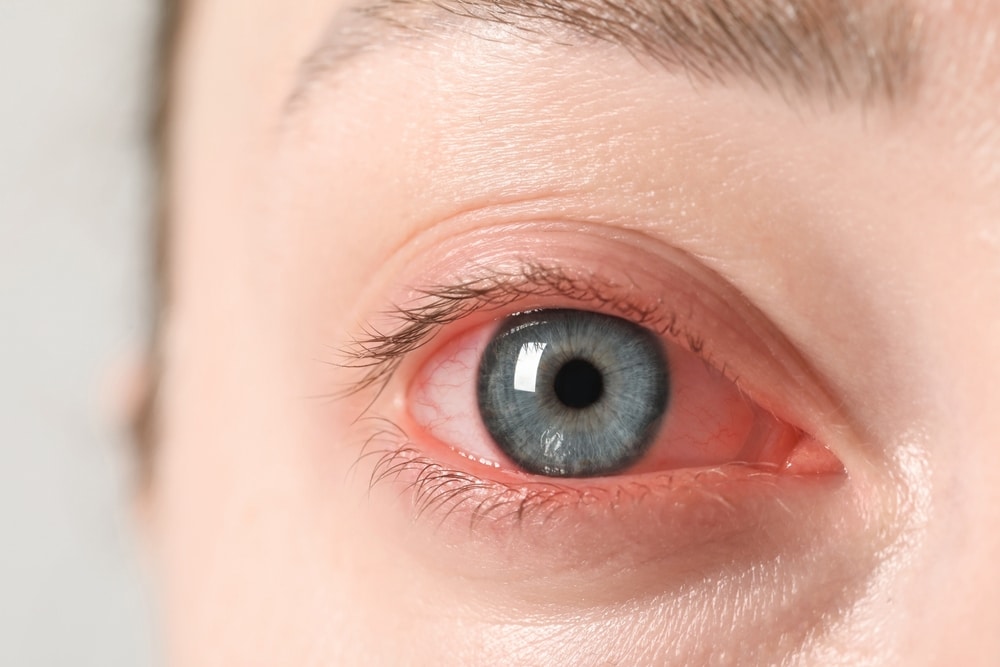
Conjunctivitis is a common eye condition that causes redness, irritation, and discharge, and it is often called pink eye because of the noticeable redness it creates. While conjunctivitis is usually mild, it can stem from several different causes, making proper diagnosis important for protecting eye health and preventing complications.
At Cornerstone Eye Associates, care is led by Claire Y. Chu, M.D., a board-certified ophthalmologist with extensive training at Baylor College of Medicine and UT Southwestern. With more than 15 years as a clinical instructor and recognition on D Magazine’s Best Doctors lists, Dr. Chu brings trusted expertise to diagnosing and treating eye conditions like conjunctivitis.
What Is Conjunctivitis?
Conjunctivitis is caused by inflammation of the conjunctiva, a thin, transparent layer that protects the white of the eye and the inner surface of the eyelids. It can affect one or both eyes and may develop suddenly. Symptoms vary depending on the cause but often include redness, itching, tearing, sensitivity to light, and discharge. Because these symptoms overlap between types, an eye exam is often needed to determine the source of the irritation.
Common Causes Of Conjunctivitis
Conjunctivitis can develop from several underlying factors, each requiring a different approach to care.
- Viral conjunctivitis is commonly linked to colds or upper respiratory infections and is highly contagious.
- Bacterial conjunctivitis often produces thicker discharge and may worsen without medical treatment.
- Allergic conjunctivitis occurs in response to allergens such as pollen, dust, or pet dander and is not contagious.
- Irritant-related conjunctivitis can result from exposure to smoke, chemicals, pool chlorine, or improper contact lens use.
Accurately identifying the cause helps guide effective treatment and reduces the risk of recurrence.
Treatment Options For Conjunctivitis
Treatment depends on the type of conjunctivitis involved. Viral conjunctivitis typically resolves on its own with supportive care, while bacterial conjunctivitis may require prescription eye drops. Allergic conjunctivitis often improves with allergy management and avoidance of triggers.
Supportive care recommendations may include:
- Applying clean, cool compresses to reduce discomfort
- Avoiding eye makeup and contact lenses during recovery
- Washing hands frequently to limit the spread
Using the wrong treatment or delaying care can prolong symptoms and increase irritation.
When To Seek Eye Care In Dallas
Professional care is recommended if conjunctivitis symptoms persist for several days, worsen, or include pain, blurred vision, or significant light sensitivity. Children, contact lens wearers, and individuals with frequent eye infections should be evaluated promptly—early care can prevent complications.
Eye Care For Conjunctivitis In Dallas, TX
If conjunctivitis symptoms are interfering with comfort, work, or daily routines, a comprehensive eye exam can help identify the cause and relieve concerns. Cornerstone Eye Associates provides trusted eye care for patients throughout Dallas, TX, with personalized treatment plans tailored to each condition.
To schedule a consultation, call 972-803-5665 and take the next step toward clearer, more comfortable eyes.