Cataracts can gradually impair vision, reducing clarity and making everyday activities more challenging. Cataract surgery restores that clarity, but the type of intraocular lens selected plays a significant role in how vision performs afterward. From reading up close to seeing clearly at a distance, lens choice directly impacts daily visual function.
Claire Y. Chu, M.D., is a board-certified ophthalmologist specializing in advanced technology cataract surgery, with medical training from Baylor College of Medicine and ophthalmology training at UT Southwestern. Her extensive clinical experience and background as a medical educator support personalized, informed patient care in Dallas, TX.
What Happens After Cataract Surgery
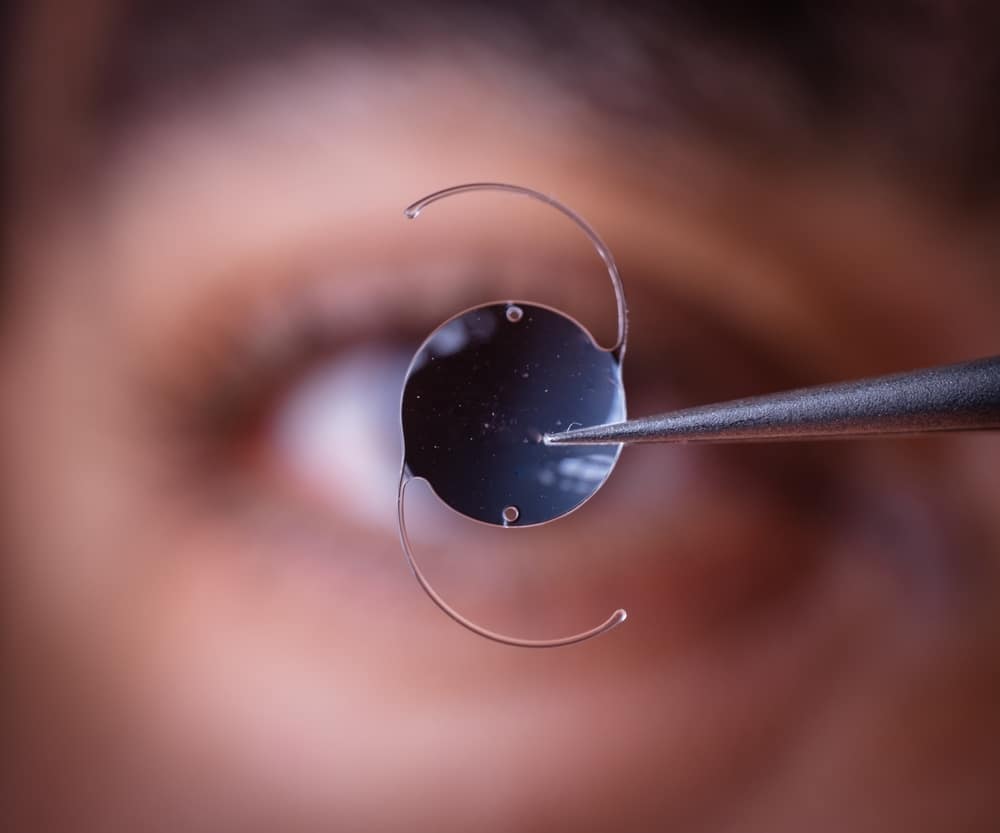
During cataract surgery, the cloudy natural lens is removed and replaced with an artificial intraocular lens. This new lens remains in place permanently and helps restore visual clarity. The type of intraocular lens selected will influence how well distance, intermediate, and near vision are corrected.
Types Of Intraocular Lens Options
There are several intraocular lens options available to match different vision goals and lifestyles.
- Monofocal lenses: Provide clear vision at one distance, typically far, with glasses often needed for close-up tasks
- Multifocal lenses: Designed to improve vision at multiple distances and reduce dependence on glasses
- Toric lenses: Correct astigmatism while improving overall clarity
- Extended depth of focus lenses: Offer a wider range of vision with fewer visual disturbances
Each option offers unique benefits, and selection should be based on individual needs.
What To Consider When Choosing A Lens
Choosing the right intraocular lens after cataract surgery depends on several important factors.
- Existing eye conditions, such as astigmatism or other vision concerns
- Daily activities like reading, driving, and screen use
- Preference for reducing reliance on glasses
- Cost considerations and insurance coverage
Careful examination helps match the right option to individual vision needs over time.
How Lifestyle Affects IOL Choice
Daily activities play an important role in selecting the right intraocular lens after cataract surgery. Visual needs can vary based on how much time is spent reading, using screens, or driving.
Patients who prioritize near tasks may benefit from lenses that support close and intermediate vision, while those focused on distance activities may prefer sharper far vision. Aligning lens choice with routine habits helps support more comfortable, functional vision.
Making Informed IOL Decisions In Dallas, TX
Symptoms such as blurry vision, glare from lights, or difficulty seeing at night may indicate that cataracts are affecting daily life. Scheduling an evaluation allows patients in Dallas, TX, to explore intraocular lens options and make informed decisions about cataract surgery.
Cornerstone Eye Associates provides professional eye care services for those considering cataract surgery. To learn more about intraocular lens options or to schedule a consultation, call 972-803-5665 today.