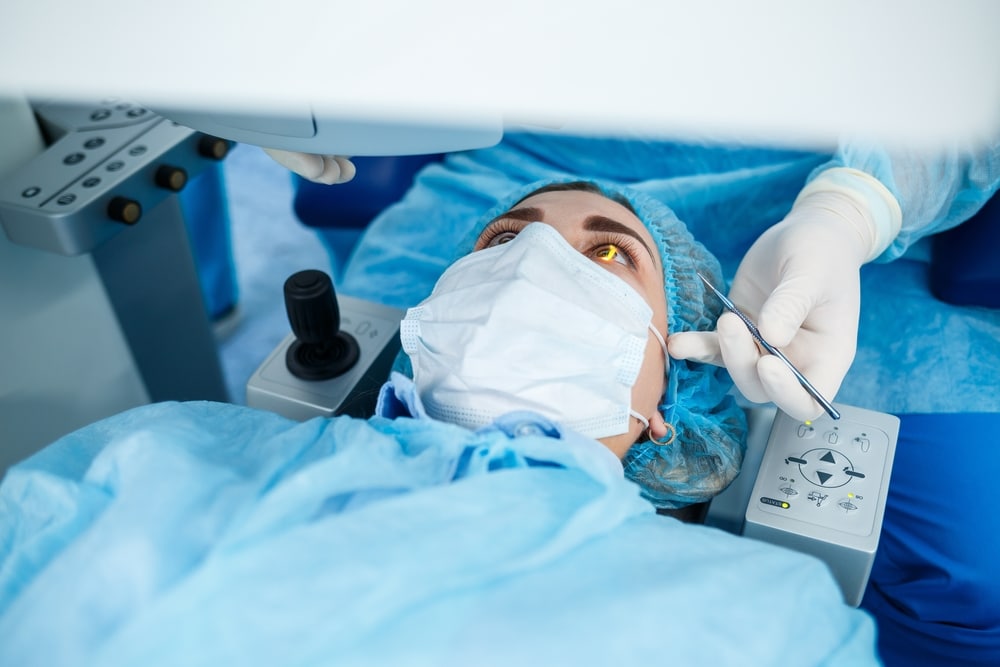
Photorefractive keratectomy, or PRK, is a widely trusted vision correction procedure often chosen as a lasik alternative for individuals who may not be ideal candidates for traditional LASIK. Guidance from an experienced specialist is essential when exploring these options, and Claire Y. Chu, M.D., brings valuable expertise through advanced training at Baylor College of Medicine and UT Southwestern, as well as more than 15 years of teaching future ophthalmologists. Her background in research and clinical instruction supports a thoughtful approach to selecting the right vision procedure.
With PRK offering strong outcomes for people with thin corneas or chronic dryness, it serves as an important option to consider as the discussion moves into who may be a good candidate.
What is PRK?
PRK reshapes the cornea with a specialized laser to correct refractive errors such as nearsightedness, farsightedness, or astigmatism. Instead of creating a corneal flap, the surface layer of the cornea is gently removed so the laser can reshape the tissue beneath. This approach has been used safely for decades and can be ideal for individuals who have been told LASIK is not the right fit.
Why Some Patients Consider PRK As A Lasik Alternative
Many people consider PRK because it avoids the creation of a corneal flap, which can be beneficial for those with unique eye characteristics or active lifestyles. PRK may also be preferred when corneal thickness or dryness makes LASIK less suitable.
Patients often explore PRK when they are looking for:
- A reputable option for vision correction after being told they are not candidates for LASIK
- A solution that reduces flap-related risks
- Long-term vision improvement with proven results
Factors That Make Someone A Good Candidate
Candidates for PRK typically include individuals who:
- Have thin or irregular corneas
- Experience chronic dry eye symptoms
- Maintain a stable vision prescription
- Have healthy eyes aside from refractive errors
- Have occupations or hobbies where avoiding a corneal flap is safer
These characteristics can make PRK an effective path toward improved vision and greater everyday comfort.
Who May Not Be A Candidate
Some individuals may not be ideal candidates for PRK, including those with:
- Unstable prescriptions
- Certain corneal or retinal diseases
- Active eye infections
- Conditions that may interfere with healing
A thorough evaluation helps determine whether PRK aligns with personal vision goals.
Explore PRK Candidacy In Dallas, TX
The most reliable way to determine whether PRK is the right choice for your vision needs is to schedule a consultation with Cornerstone Eye Associates in Dallas, TX. A comprehensive eye exam will give you clear answers and help determine whether this lasik alternative is the best path to sharper, more comfortable vision.
To schedule your visit, call 214-862-3219 and take the next step toward seeing the world with greater confidence.