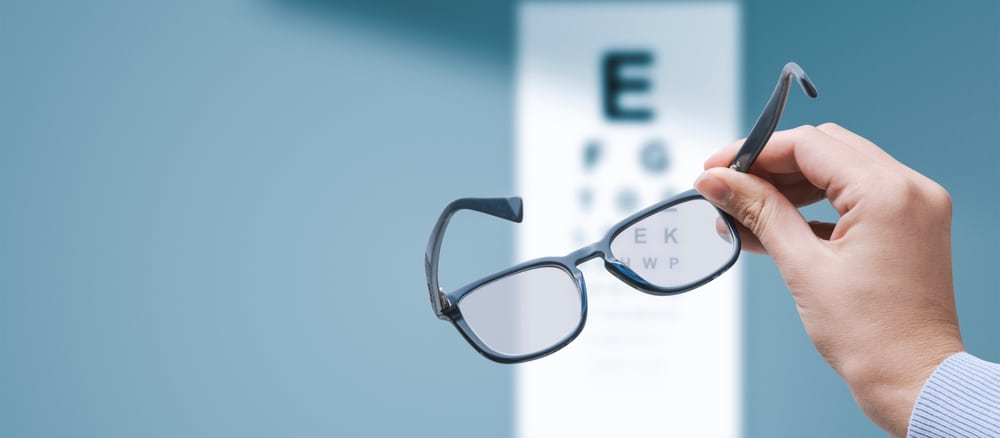
Blurry sight is often blamed on nearsightedness, but many vision issues have other causes that feel similar at first. Squinting to read street signs, rubbing tired eyes after computer time, or noticing glare around headlights can all point to refractive errors, which affect how light focuses inside the eye.
Claire Y. Chu, M.D., is a board-certified ophthalmologist with a special interest in advanced technology cataract surgery, trained at UT Southwestern after earning her medical degree at Baylor College of Medicine. Recognized in D Magazine’s Best Doctors lists in Dallas and Collin County, Dr. Chu brings deep clinical expertise to evaluating what is really driving your symptoms. Identifying the specific refractive error behind blurred or strained vision is key to effective treatment.
What Refractive Errors Mean
A clear image forms when light focuses directly on the retina. With refractive errors, the eye’s shape or focusing ability causes light to land in front of or behind the retina, creating blur or distortion. Symptoms can be subtle at first, then gradually worsen as visual demands increase at work, school, or on screens.
Types Of Refractive Errors Beyond Nearsightedness
Nearsightedness is only one category. Common refractive errors include:
- Nearsightedness (myopia): Distant objects look blurry while close-up tasks are usually clearer. This often shows up as squinting to see road signs, classroom boards, or TV screens.
- Farsightedness (hyperopia): Close work like reading or phone use can cause strain, headaches, or fatigue, even if distance vision seems fine at first. In stronger cases, both near and distance vision can appear blurry.
- Astigmatism: The eye focuses light unevenly, which can make vision look distorted, wavy, or slightly doubled at any distance. Night driving may feel harder due to halos, glare, or “starburst” effects around lights.
- Presbyopia: A normal age-related change in focusing that typically begins in the 40s, making it harder to see small print up close. Many people notice the need to hold reading materials farther away or rely on reading glasses.
Signs It May Be Time For An Eye Exam
Some warning signs are easy to dismiss as “normal,” especially if they come and go. Consider scheduling an evaluation if any of these sound familiar:
- Headaches after reading or screen use
- Eyestrain, burning, or fatigue during close work
- Frequent squinting or needing brighter light to read
- Blurry vision that fluctuates throughout the day
- Halos or glare while driving at night
Sudden vision changes, severe eye pain, or a rapid increase in flashes or floaters should be treated as urgent.
Clearer Vision Starts With The Right Diagnosis In Dallas, TX
Correcting refractive errors may be as simple as updating glasses or contacts, but the best option depends on lifestyle, comfort, and overall eye health.
If ongoing vision issues are affecting work, driving, or daily comfort in Dallas, TX, schedule a consultation with Cornerstone Eye Associates to get clear answers and a plan that fits your needs. Call 214-862-3219 to take the next step toward sharper, more comfortable vision.